
Learn
How to care for your teeth at home
Brushing, flossing, and a few daily habits prevent most of what we treat.
Just had a procedure? Open After your visit. Want a treatment name explained first? Open Treatments. Both are also in the header and on the homepage.

Try this
Check a few things from this page
A short quiz, a sipping example, and a treatment-name match. Each one uses the home-care notes and treatment names already on Learn.
Three short activities
1 of 7
How long should a brushing session last?
What did you drink, and how long did it last?
The ounces matter less than the hours. Pick both, then read the note we already give patients on this page.
Choose a drink and a time. The verdict will show here.
1 of 5
What does “Crowns” mean?
Just had a procedure? After your visit already lists what to do and what to skip tonight. Use that picker instead of guessing.
Daily care
What we ask patients to do between visits
Brushing
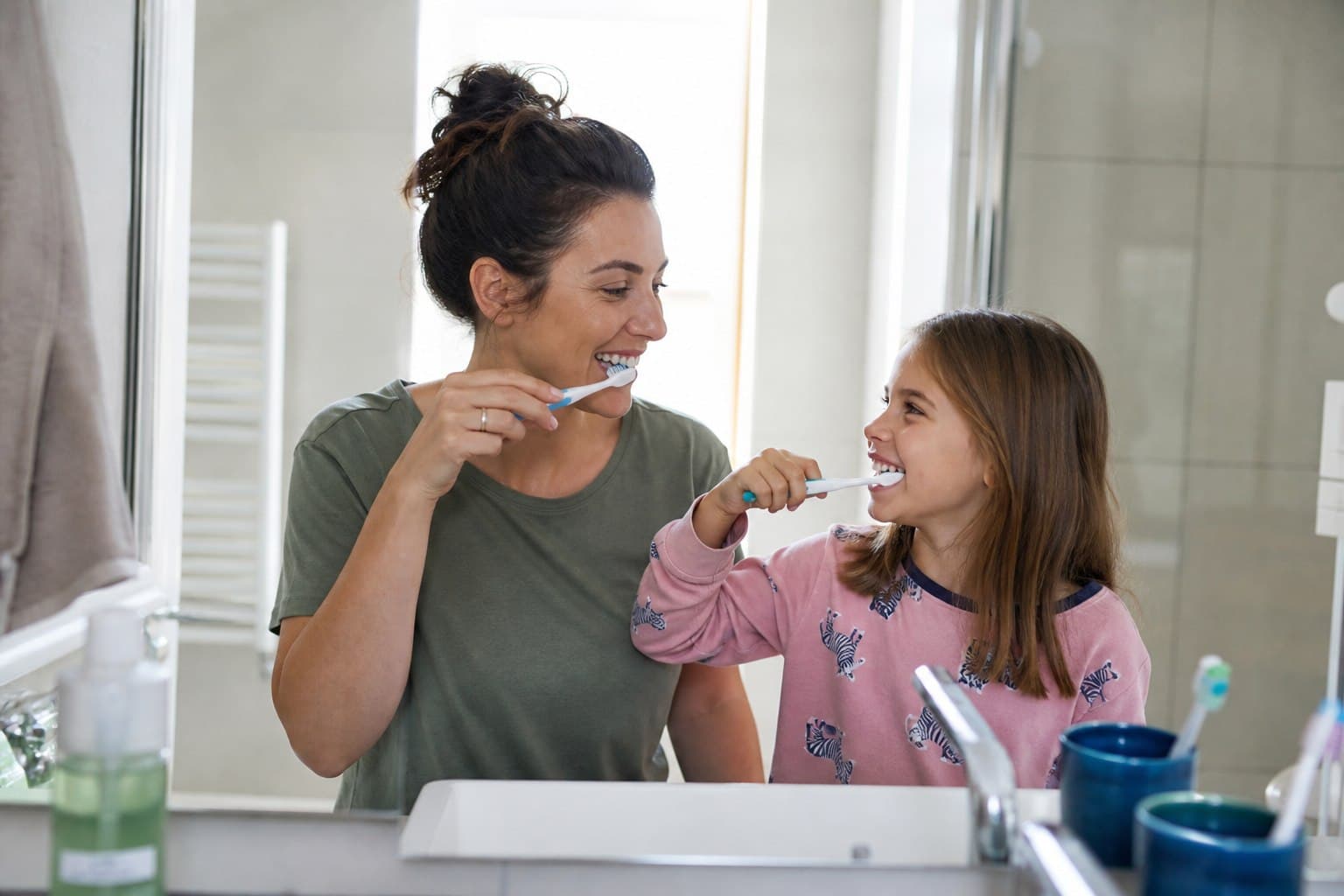
Two minutes, twice a day.
- 1Aim the bristles at a 45-degree angle toward the gumline, not just the chewing surface.
- 2Use a soft brush and light pressure. Scrubbing harder wears enamel and gums.
- 3Spend about two minutes: outer surfaces, inner surfaces, then chewing surfaces.
- 4Replace the brush — or the electric head — every three months, or sooner if bristles splay.
Flossing
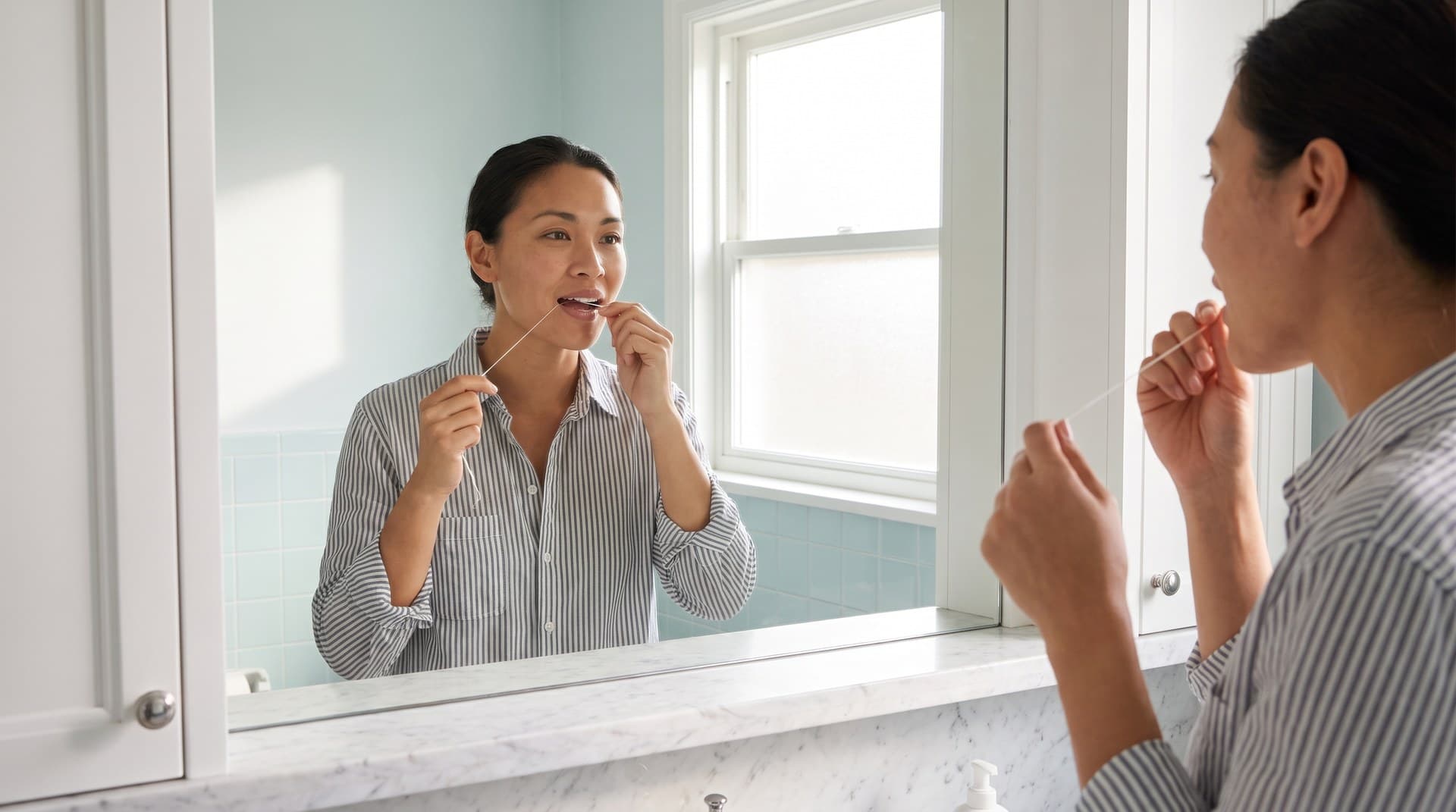
Once a day, where a brush cannot reach.
- 1Decay and gum inflammation often start between teeth, where a brush cannot reach.
- 2Curve the floss into a C-shape around each tooth and slide gently under the gumline.
- 3A water flosser or interdental brush is a good substitute if string floss is awkward.
- 4A little bleeding in the first days is common. If it lasts more than a week, tell us.
Daily habits
What you sip, when you brush, and how often to come in.
- 1Frequent sipping of soda, juice, or sweet coffee keeps acid on teeth for hours. Finish the drink, then rinse with water.
- 2Wait about 30 minutes after acidic food before brushing so enamel can recover.
- 3A night guard can protect enamel if you clench or grind.
- 4Most adults do well with a visit every six months.
Common questions
The questions we hear every week — answered the way we say them out loud
01
Does an electric brush actually do more?
The brush is not the hero. The two minutes are.
A soft manual brush used well is enough. An electric one just makes it harder to cheat — the small head gets into corners, and the timer tells you when you are done. If you have braces or tender gums, that smaller head is the part you will notice.
If it buzzes every 30 seconds, stay for four buzzes. That is the whole visit, at home.
02
Why does mint never last?
Because mint is a cover-up, not a cleanup.
Most lingering breath starts in the mouth: the tongue, a hidden cavity, gums, or a denture that needs a better clean. Alcohol rinses dry you out and can make it come back stronger. If the smell is still there after a week of brushing the tongue, that is a visit — not another bottle.
Tonight, brush the tongue like it is a tooth. If a friend still notices it next week, tell us.
03
Is one soda really that bad?
One soda with dinner is fine. One soda all afternoon is a drip feed.
The bacteria that make cavities need a steady sugar supply. A drink with a meal is one exposure. The same drink sipped for two hours is many. Juice, sweet coffee, and bread count too. Acidic drinks can wear enamel if they visit often.
Have the sweet thing with food, then water. Wait about 30 minutes before you brush after something acidic.
04
Can I grab a store-bought night guard and call it a night?
No — check with your dentist before making it your nightly routine.
A night guard can protect teeth from grinding, but choosing one starts with understanding your teeth, bite, and symptoms. A store-bought guard is not a substitute for that check. We can assess the fit and help you decide whether an over-the-counter option or a custom guard is appropriate for you.
Already have one? Bring it to your next visit so we can check it together. If it causes pain, stop using it and contact us.
After your visit
What to do when you get home
Choose the procedure you had — extraction, filling, crown, root canal, cleaning, surgery, denture, or graft.
Treatments
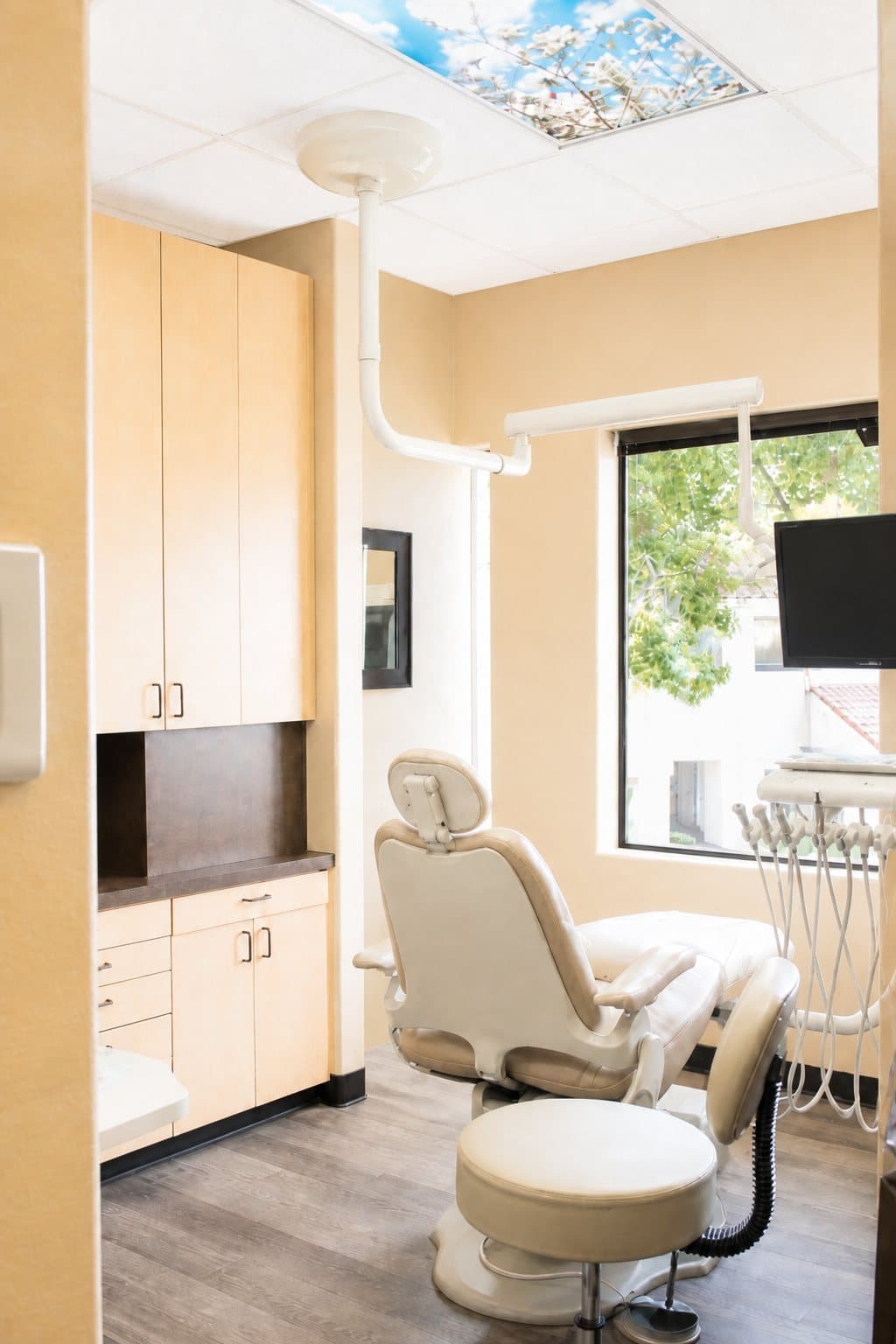
What the treatment names mean
Crowns, whitening, implants, veneers, root canals, and the rest, in plain language.
When to call
Do not wait these out
Call (510) 794-9999 the same day for swelling or a bad taste. If you have fever or spreading facial swelling, seek urgent care.
Bleeding gums
Gums should not bleed when you brush. Persistent bleeding is often early gum disease, which is treatable.
A tooth that aches with cold or sweets
Sharp, brief sensitivity can be a thinning spot or a small cavity. Lingering pain after the stimulus is gone deserves a sooner visit.
A chip, crack, or lost filling
Cover the edge with dental wax if it is sharp, avoid chewing on that side, and call us. Waiting often turns a simple repair into a crown.
Swelling or a bad taste
These can signal infection. Call the office the same day. If you have fever or spreading facial swelling, seek urgent care.